Oil Plunges, Equities Soar as US-Iran Deal Reopens Crucial Strait of Hormuz
Global markets reacted positively to news of a US-Iran agreement, with oil prices falling sharply and stock markets rallying. The deal, announced by President Trump, includes the reopening of the vital Strait of Hormuz, a key chokepoint for global oil shipments, signaling reduced geopolitical risk and improved supply security.
Executive Takeaways
- • A US-Iran agreement was announced by US President Donald Trump, leading to immediate market reactions.
- • The core of the deal involves the reopening of the Strait of Hormuz, a critical waterway for international oil transit.
- • Oil prices experienced a significant decline following the announcement, reflecting reduced supply concerns and geopolitical risk premiums.
- • Global stock markets (shares) saw a notable jump, driven by improved investor sentiment and a perceived de-escalation of Middle East tensions.
- • The Strait of Hormuz is a strategic chokepoint through which a substantial portion of the world's seaborne oil passes, making its status crucial for global energy markets.
Global financial markets witnessed a significant shift in sentiment following the announcement of a US-Iran deal, which immediately impacted commodity prices and equity valuations. US President Donald Trump confirmed the agreement, highlighting the reopening of the Strait of Hormuz, a pivotal waterway for international oil shipments.
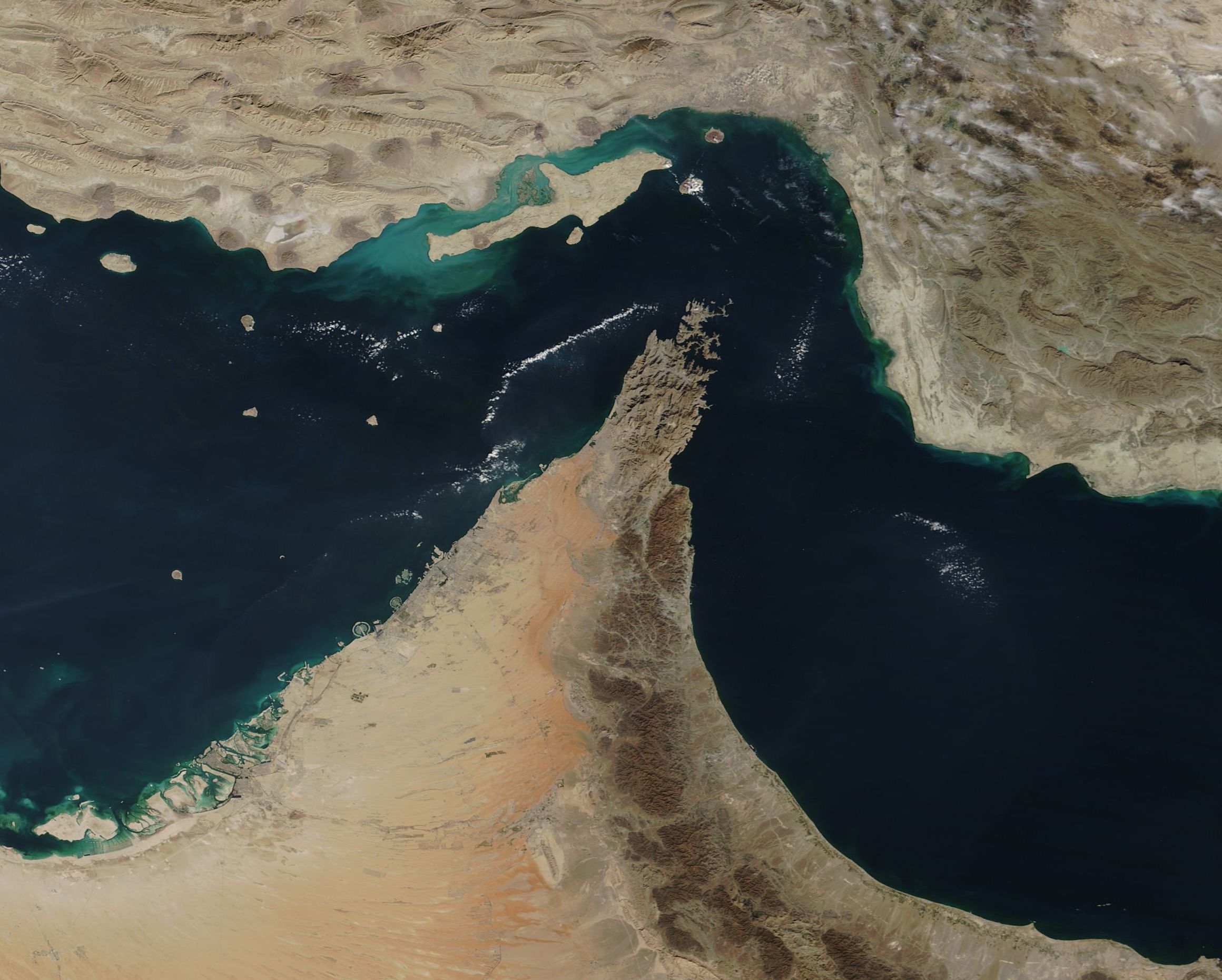
The news sent a wave of relief through energy markets, causing oil prices to fall sharply. The Strait of Hormuz, situated between the Persian Gulf and the Gulf of Oman, is a strategic chokepoint through which approximately one-fifth of the world's total oil consumption passes. Threats to its closure or disruptions in the region typically lead to spikes in crude oil prices due to supply concerns. The prospect of its full reopening signals a reduction in geopolitical tensions and an assurance of stable oil supply, easing fears of potential bottlenecks.
Concurrently, global stock markets reacted with a robust rally, as investors cheered the de-escalation of tensions in a volatile region. The improved outlook for global trade and reduced uncertainty often translate into stronger investor confidence, driving demand for equities. The agreement is perceived as a positive development for the global economy, potentially fostering greater stability and predictability in international relations and trade flows.
Analysts are now closely monitoring the implementation of the deal and its long-term implications for both the energy sector and broader macroeconomic stability. While the immediate market reaction has been overwhelmingly positive, the sustainability of these gains will depend on the enduring nature of the agreement and continued stability in the Middle East.